


Overview of the Communication Module
Communication is the process of sending and receiving verbal and non-verbal messages. It involves paying attention to feelings and recognizing that everyone has the right to express themselves without infringing on the rights of others. Children increase their skill and confidence as communicators when they receive the support they need to talk about what is important to them. They also need to be taught effective communication strategies to support them in the process of getting help from trusted adults.
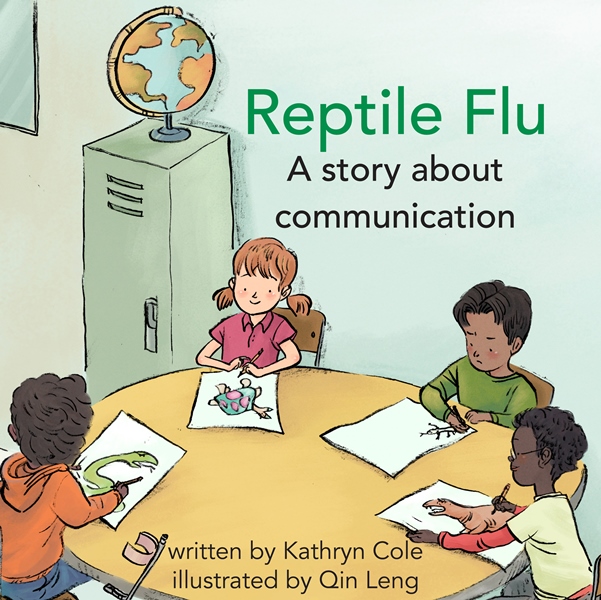
Big Messages:
- Communication can be both verbal and/or non-verbal
- We all communicate using verbal and non-verbal cues and it is important to pay attention to the different ways people communicate
- Clear communication is necessary to ensure needs are met and help is received (What to say to kids: “Say what it is that you need or want.” “If you have something important to say, make sure the other person is listening.”)
Learning Goals:
Increase knowledge about effective communication skills
Identify strategies for how to keep communicating even if met with a negative response
- Discuss the different forms of communication through the use of specific examples (verbal, non-verbal, direct, indirect)
- Discuss why communication is important for a variety of scenarios (e.g., seeking support, expressing needs, resolving conflict)
- Explore effective strategies for communication and how to resolve miscommunication
- Exploring verbal and non-verbal cues to determine if someone is listening
Activities:
The Telephone Game
Feelings Charades
Let's Connect
Silent Messages
What Do You Mean
VIEW CURRICULUM CHART
What the Evidence Says:
(click here for full version of literature review)
Communicating our needs, especially in times of distress, is critical to ensuring our well-being. Children need to know it is safe to reach out and communicate when they need help and be encouraged to continue doing so until help is received. Any type of communication or disclosure by a child with regards to maltreatment needs to be treated with openness and support to ensure prevention and/or intervention. Communication around or disclosure of abuse may be verbal and/or non-verbal in nature (Alaggia, 2010; Jensen, et al., 2005). It is important to remain sensitive to indicators of abuse and to follow up with children regarding what is troubling them. Research has indicated that when children are provided with a supportive and accepting social environment, they are more likely to communicate their distress and get help (Smith & Cook, 2008; Sorsoli, et al., 2008). Furthermore, children need to be taught effective communication strategies to help ensure their needs are being met.
| Note to Facilitator: The facilitator has a legal obligation to report suspicions of child abuse to a child protection agency (in the case of Ontario, the Children’s Aid Society (CAS)). Please review over the information provided around disclosure and the reporting process. |